


What’s the Difference Between Running Shoes vs Casual Sneakers?
The Sole Summary
At first glance, a shoe is a shoe, right? Fabric or leather uppers, laces, midsoles, rubber outsoles. Turns out, there’s more going on beneath your feet than meets the eye.
Running shoes, tennis shoes, court shoes, walking shoes—they may look similar, but they’re all engineered for different types of movement.
You wouldn’t use a watercolor brush to paint your house, right? Same idea here. Every activity moves your body in a different way, which means footwear designers build shoes specifically to help support those motions comfortably and safely.
So before you lace up the same beat-up sneakers for everything from long walks to pickup basketball, here’s a breakdown of what each shoe is actually designed to do.

Sneakers
Think of “sneakers” like dogs—it’s the overarching category. Running shoes, court shoes, tennis shoes? Those are the breeds.
Sneakers are the catch-all term for casual athletic-inspired footwear. Some are built for performance, while others are designed more for style and everyday comfort.
That means your retro Jordans, classic Vans, lifestyle adidas, and chunky dad shoes all technically fall under the sneaker umbrella.
The biggest difference? Casual sneakers prioritize comfort and aesthetics over sport-specific performance. They’re designed to look good all day, not necessarily help you shave seconds off your mile time.
Best for: Daily wear, casual outfits, commuting, travel, everyday life

Court Shoes
Originally hailing from the basketball court, court shoes were designed to handle quick cuts, jumps, pivots, and hard landings on flat indoor surfaces.
Because sports like basketball, volleyball, and skateboarding involve a lot of side-to-side movement, court shoes are typically built with flatter soles, grippy traction, and reinforced support around the ankles and sides of the foot.
Compared to running shoes, court shoes feel more grounded and stable instead of soft and springy.
And while performance court shoes are still everywhere in sports, their clean silhouettes and retro styling also helped turn them into everyday fashion staples.
Best for: Daily wear, basketball, volleyball, skateboarding, casual styling.
Walking Shoes
If tennis shoes are designed for lateral movement, walking shoes are all about keeping you comfortably moving forward.
Walking creates less impact than running, but it still puts repetitive stress on your feet and joints over time—especially if you’re standing all day or logging serious steps.
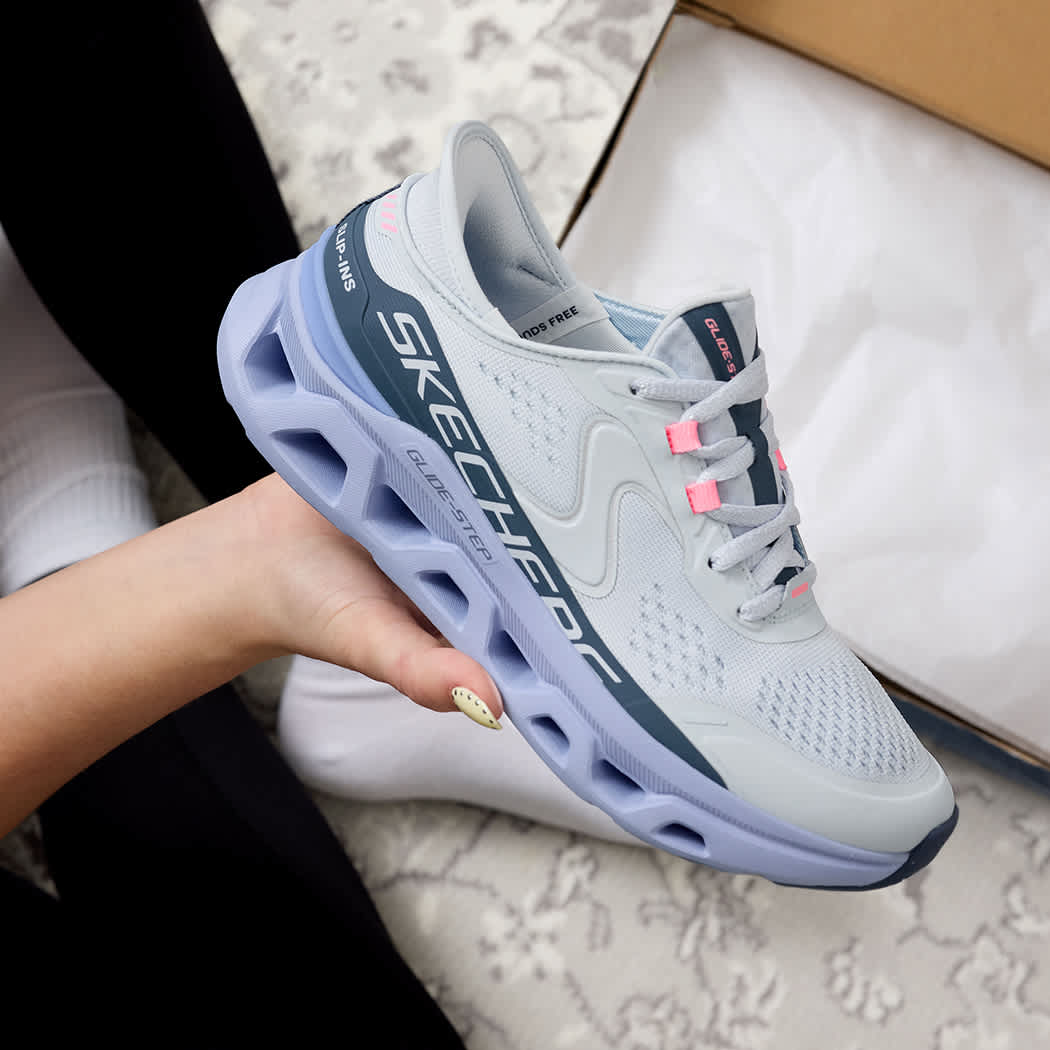
Walking shoes typically feature firmer cushioning, added arch support, and a rocker-shaped sole to help smoothly guide your foot from heel to toe.
Translation: less fatigue, more support, happier feet.
They also tend to prioritize comfort and stability over speed, making them a favorite for healthcare workers, retail employees, travelers, and anyone spending long hours on their feet.
Best for: Walking (also duh), running errands, travel, standing all day, daily wear.
Running Shoes
Running is basically walking really fast…right?
Well, kind of. But if you’ve ever run a mile, trained for a race, or accidentally decided to “get back into cardio,” you know the impact is completely different.
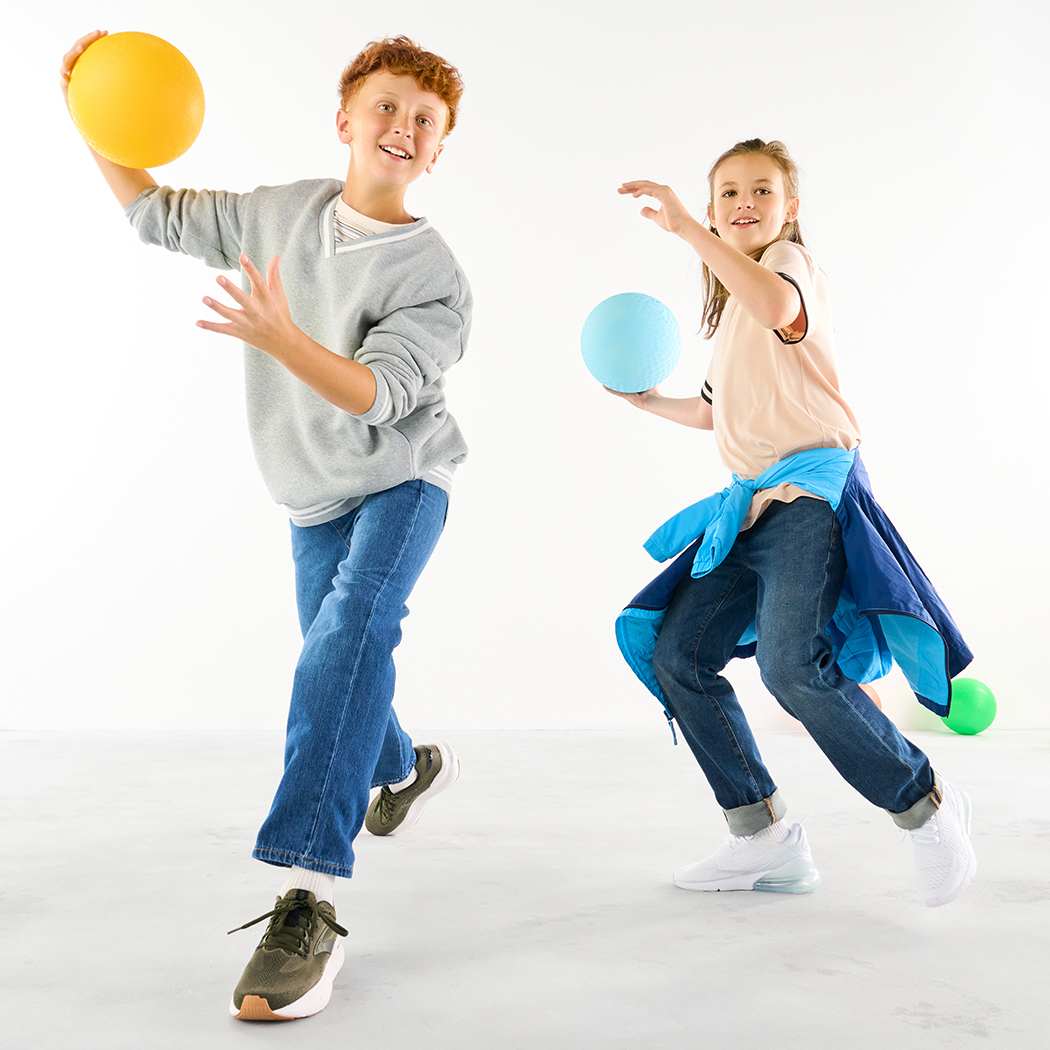
Every stride places significant force on your joints, knees, and shins—which is why running shoes are engineered with more cushioning, flexibility, and shock absorption than most other sneakers.
Footwear designers carefully consider things like weight distribution, stride patterns, responsiveness, and energy return when building running shoes.
That usually means:
- Thicker midsoles
- Softer, springier foam
- Lightweight materials
- Flexible forefoot designs
The goal? Keep you moving comfortably mile after mile.
Best for: Regular training, jogging, long runs, treadmill workouts, daily miles
Performance Running
The difference between standard running shoes and performance running shoes can feel subtle at first—but once you notice it, you really notice it.
Think commercial flight versus fighter jet.
Both are designed to get you where you want to go, but one is specifically engineered for speed and efficiency.
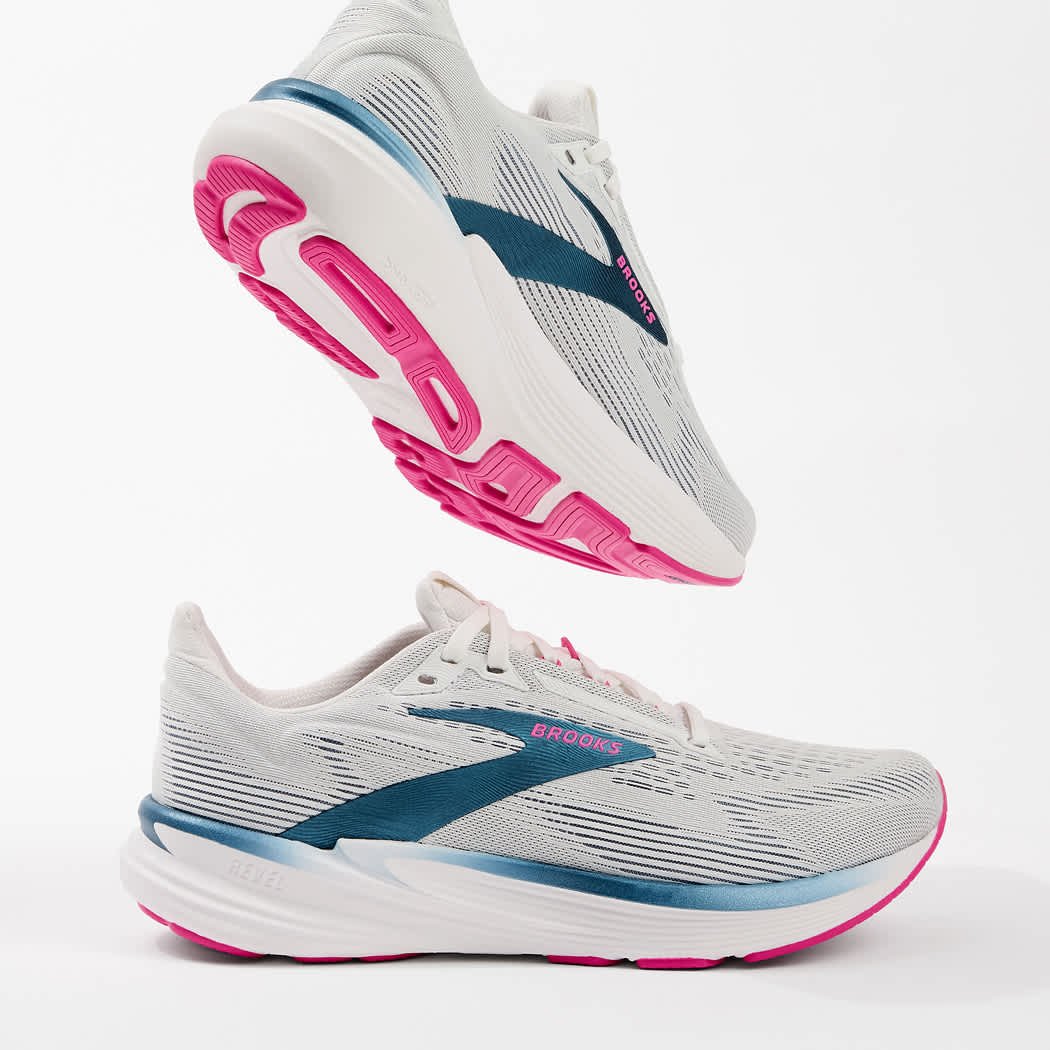
Performance running shoes are typically lighter, more responsive, and more aggressive in design. They often feature ultra-lightweight uppers, advanced foam technology, and carbon-fiber plates that help propel runners forward with each stride.
Compared to regular running shoes, they usually have:
- Less bulk
- More energy return
- A snugger fit
- Faster ride feel
Meanwhile, standard running shoes prioritize versatility and comfort for everyday training.
Inshort:
Regular running shoes = everyday miles.
Performance running shoes = race day mode.
Best for: Tempo runs, racing, speed workouts, marathon training, chasing PRs
So…Which One Should You Get?
Honestly? The one that matches how you actually move.
If you mostly walk and run errands all day, you probably don’t need marathon-level performance foam. If you play pickleball three times a week, a court or tennis shoe may feel dramatically better than a standard running shoe.
And if you just want something comfortable that looks good with everything? Casual sneakers exist for a reason.
At the end of the day, they’re your shoes. Wear what feels best for your body and lifestyle.
You can absolutely wear running shoes to walk, tennis shoes to work, or performance runners while playing pickleball. This guide just helps explain why certain shoes feel better for certain activities—and how the right pair can help elevate both comfort and performance.
If you have specific foot needs or chronic discomfort, check with your podiatrist about specialized footwear or added support options. We also offer Sof Sole insoles for extra comfort and stability.